The Impact of Ramadan on Athletes’ Lives
- lightsoutwithlily
- Mar 27, 2025
- 3 min read
Written by Lily Dixon
March 25, 2025
Ramadan, held from the evening of February 28 to March 29 this year, marks a time for the Muslim community to practice fasting, worship, and togetherness.
The month falls at a different time each year, typically shifting 10–11 days earlier on the Gregorian calendar due to its basis on the lunar cycle. It takes place during the ninth month of the Islamic calendar—the month believed to be when the Holy Qur’an was sent down from heaven as a means of salvation and guidance for men and women.
During Ramadan, faithful Muslims fast from sunrise to sunset, refraining from consuming any food or drink. Athletes are not exempt from this practice. So, what impact does Ramadan have on their lives?
Jana El-Alfy
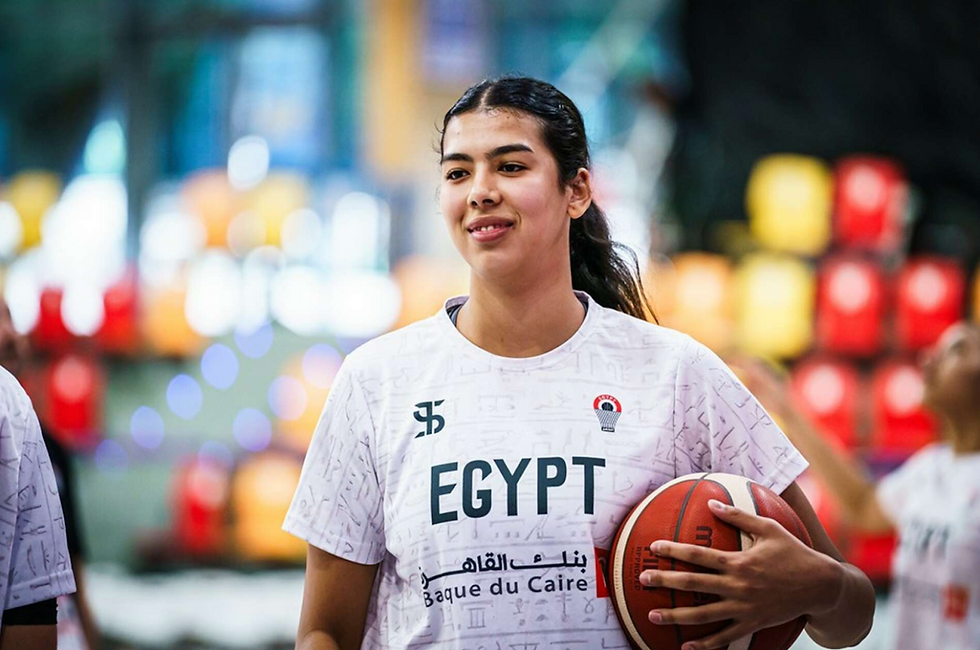
El-Alfy, recently gaining attention for her role on the UConn Women’s Basketball team, has been fasting while competing in the Huskies’ first two rounds of March Madness.
After missing last season due to an Achilles injury, 2025 is the first year she’s had to navigate the challenges of balancing Ramadan with high-level competition. The support from her teammates has been invaluable.
The 6-foot-5 Egyptian center spends her mornings with teammate Paige Bueckers, who often cooks her breakfast before sunrise and ensures El-Alfy is up for her morning energy boost before the long day ahead. Huskies Caroline Ducharme and Allie Ziebell have also joined the early-morning meals, taking turns cooking their specialties and indulging in Bueckers’ famous scrambled eggs.
Since the evening meal after sundown is traditionally shared with family, El-Alfy makes sure to call her parents whenever possible, despite the six-hour time difference that often separates them.
Rio Haryanto
Fasting or faster? Rio Haryanto made history as the only F1 driver to observe Ramadan while competing in Formula 1. He participated in 12 Grands Prix during the 2016 season, one of which fell within the holy month.
Leading up to the Canadian Grand Prix, he fasted and prayed, remaining committed to his faith. However, on race day, following his manager’s advice, he broke his fast to ensure full focus and safety while driving at speeds exceeding 350 KPH, where even the smallest mistake could be fatal.
Once the race weekend concluded, Haryanto resumed his fast on Monday, making up for the missed day.
Kyrie Irving
Dallas Mavericks star Kyrie Irving has made history by adhering to the rules of Ramadan while excelling in both regular-season and playoff games. He has averaged nearly 28 points, 8.5 assists, and 6.5 rebounds per game—all while consuming no food or water for extended periods.
His trainer works closely with him to find energy-sustaining foods that help him endure the intense, sometimes 15-hour-long, workdays. Irving has said fasting strengthens his relationship with God and helps him eliminate distractions from his life.
As the season progresses, his body gradually adapts to the lack of hydration and the shifts in his eating and sleep schedule, developing a tolerance for the physical demands athletes face during Ramadan.
Occasionally, Irving will break his fast mid-game with fruit when his energy dips too low to continue, but he remains as dedicated as possible to the holy month.
The Broader Impact
It’s not just professional athletes who take on this challenge—players at all levels do as well. From the time children reach puberty, they observe Ramadan annually, continuing throughout their lives unless prevented by medical reasons.
Ramadan is a time to recognize and support those around us in their fasting and worship, whether it’s by making scrambled eggs at sunrise, like Bueckers, or simply encouraging a friend to keep pushing forward.


Comments